I just got the final word from the surgeon on Saturday at noon that he will do my BLA on Tuesday.
There has been a lot of activity in the past two months. In November, I tested again and got the highest and most conclusive tests results confirming Cushing's once again. My Cushing's specialist cleared me for surgery. Surgeon set a surgery date of 12/17/13 and sent me to staff endocrinologists to confirm. First endocrinologist, a diabetes specialist, reviewed my case, said no, and blocked my surgery. After imploring the surgeon to help me, he scheduled an appointment with another endocrinologist. She was fascinated but perplexed by my case. I'm a medical curiosity! She invited another doctor in. I debated two endocrinologists at the same time for two hours. We spread all my photos, charts, lab results, MRI studies, and clinic notes across the table. They were misinformed on many aspects of the medical literature for Cyclical Cushing's but wouldn't listen to me. "Bilateral adrenalectomy is not reversible! You will be on medication the rest of your life! You will be miserable!" They blocked my surgery even though I had a doctor -- a NIH-trained physician who specializes in Cushing's and sees 1000 Cushing's patients in his practice -- who referred me to surgery. My surgery on December 17 was cancelled.
I left the hospital, dejected, uncertain, and suicidal. I know I am dying inside this broken body. My family circled the wagons and protected me. My mom flew in from out of state to help care for me, my husband, and daughter. She spent Christmas away from my father and family for the first time ever just to be with us. I continued to test per the deal I struck with the endocrinologists but I quickly tapped out. Three 24-UFCs with 17-ohcs, five midnight saliva cortisol tests, plus a low dose dexamethasone test really did me in. Test results showed even more high tests that point to hypercortisolemia: two high urine cortisols in 17-ohcs and two high MN cortisol salivas (2x and 3x upper limit of normal). I suppressed on dex test, as many cyclical Cushing'a patients do. My surgeon agreed to do the surgery again.
There has been a lot of activity in the past two months. In November, I tested again and got the highest and most conclusive tests results confirming Cushing's once again. My Cushing's specialist cleared me for surgery. Surgeon set a surgery date of 12/17/13 and sent me to staff endocrinologists to confirm. First endocrinologist, a diabetes specialist, reviewed my case, said no, and blocked my surgery. After imploring the surgeon to help me, he scheduled an appointment with another endocrinologist. She was fascinated but perplexed by my case. I'm a medical curiosity! She invited another doctor in. I debated two endocrinologists at the same time for two hours. We spread all my photos, charts, lab results, MRI studies, and clinic notes across the table. They were misinformed on many aspects of the medical literature for Cyclical Cushing's but wouldn't listen to me. "Bilateral adrenalectomy is not reversible! You will be on medication the rest of your life! You will be miserable!" They blocked my surgery even though I had a doctor -- a NIH-trained physician who specializes in Cushing's and sees 1000 Cushing's patients in his practice -- who referred me to surgery. My surgery on December 17 was cancelled.
I left the hospital, dejected, uncertain, and suicidal. I know I am dying inside this broken body. My family circled the wagons and protected me. My mom flew in from out of state to help care for me, my husband, and daughter. She spent Christmas away from my father and family for the first time ever just to be with us. I continued to test per the deal I struck with the endocrinologists but I quickly tapped out. Three 24-UFCs with 17-ohcs, five midnight saliva cortisol tests, plus a low dose dexamethasone test really did me in. Test results showed even more high tests that point to hypercortisolemia: two high urine cortisols in 17-ohcs and two high MN cortisol salivas (2x and 3x upper limit of normal). I suppressed on dex test, as many cyclical Cushing'a patients do. My surgeon agreed to do the surgery again.
I am comfortable in my decision and ready to move forward. Today, we will rally and get the house ready for my absence, and I'll started up a "feel good box" of things to keep me occupied during my time in the hospital.
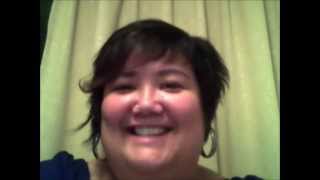
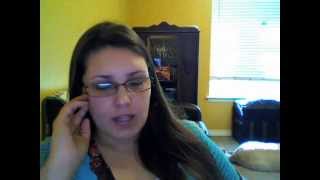
When I see the photos, I feel both sadness and hope. Sadness because of all the time I have lost to be my best self. Hopeful now that I can say goodbye to her and start a new life. Those two Melissas are gone. I will never be those people again. Hopeful because the new Melissa will be the MELISSA REMIX - the best combination of us all.
 I wanted to share this with all y'all here. I found blogging to be something that helps me make sense of what is happening to me, a place where I can PUT it and release it as I try to live every hour of my life. I am so pleased to hear that people relate to my experiences and they are rooting for me. I am rooting for you, too.
Well, Happy New Years Cushing's family!
May us all blossom in our new healthy state in 2014.
Melissa